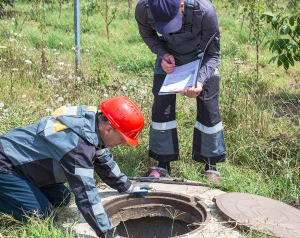
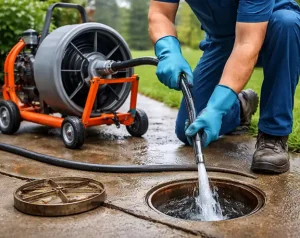
A drain that clogs once may only need a quick clearing. But when the same sink, toilet, or floor drain backs up again and again, the problem may sit deeper inside the sewer line. Clearing removes the material blocking the pipe at that moment, yet it may not show why the blockage keeps forming. In this blog, we explain how a sewer inspection can reveal roots, grease, damaged joints, rough pipe walls, sagging sections, and trapped objects that may cause repeat clogs. We also cover how camera inspections help homeowners understand what is happening inside the pipe and choose a more suitable next step. The goal is to deal with the real cause, reduce repeated drain clearing, and lower the chance of another messy backup.
Know What Drain Clearing Alone Cannot Reveal
Drain clearing and sewer inspection do two different jobs. Clearing is meant to restore flow. A cable may break through a clog, while water jetting may wash loose grease, sludge, and debris from the pipe. Those methods can be useful, but they do not always explain why the blockage formed.
A camera inspection is used to look for conditions that may cause waste to collect again. The camera travels through the reachable sewer line and sends live video to a monitor. During the inspection, the technician can look for:
- Grease buildup: Sticky material can remain along pipe walls and catch more waste.
- Root growth: Roots may enter through cracks or loose joints and restrict flow.
- Damaged sections: Broken or shifted pipe can create places where debris collects.
- Rough surfaces: Corrosion and wear can make it harder for solids to pass.
- Standing water: Water sitting inside the line may point to a low pipe section.
- Foreign objects: Wipes, toys, or other items may remain trapped inside.
This difference matters. If clearing restores flow but leaves the cause untouched, the homeowner may face the same blockage later. Inspection adds the missing information needed to decide what should happen next.
Find Root Growth Early To Prevent Future Blockages
Tree roots can create a repeat clog even after a drain machine opens the line. Roots naturally grow toward moisture. If a sewer pipe has a small crack, loose joint, or opening, fine roots may enter through that weak spot. Once inside, they can spread across the pipe and act like a net.
Toilet paper, grease, hair, and other waste may catch on those roots. A cable can cut through part of the growth and create an open path for water. The drain may seem normal again, but roots around the pipe walls can remain.
What A Sewer Inspection Camera Can Reveal
- Where roots are entering the sewer line
- How far the growth spreads through the pipe
- Whether one joint or several sections are affected
- Whether nearby pipe walls appear cracked or shifted
That information changes the next decision. Root cutting may help when growth is limited, while a damaged pipe may need repair. Inspection helps keep repeated clearing from becoming the only response to a root problem that continues returning.
See Grease Buildup Coating Your Sewer Pipe Walls
Grease does not always create one solid plug. It can slowly coat the inside of a sewer pipe. As that layer grows, the opening becomes smaller, and the surface becomes sticky. Food particles, soap residue, paper, and other waste can then collect more easily.
A basic drain cable may punch a passage through the middle of the buildup. Water starts moving again, but grease may still cover much of the pipe wall. That is one reason a drain can appear fixed and then slow down again.
Use Inspection To Identify Specific Sewer Problems
- A light coating that is not stopping normal flow
- Thick grease spread across a longer pipe section
- Waste stuck to heavy buildup along the walls
- A damaged area hidden behind dirty pipe surfaces
If buildup is the main issue, a fuller cleaning method may be considered. If the camera shows pipe damage beyond the buildup, cleaning alone may not solve the problem.
Seeing the inside of the line helps homeowners understand whether they are dealing with dirt that needs removal or a pipe condition that keeps creating new blockage points.
Spot Low Sewer Pipe Sections That Trap Wastewater
Sewer lines depend on gravity. Wastewater needs a steady path that slopes in the right direction. If part of the pipe settles lower than the surrounding line, water and solids can remain in that area instead of moving away. This condition is often called a pipe belly or sag.
A drain machine may remove the waste sitting in the low section. However, it cannot lift the pipe back into position. As more wastewater passes through, solids may settle there again and form another clog.
Common Sewer Damage Signs Seen On Inspection
- Standing water that remains in one pipe section
- The camera going below water and later rising out
- Waste collecting around the same low area
- Slow movement through an otherwise open sewer line
A camera does not always confirm the exact pipe slope by itself. Other checks may be needed when the grade has to be measured.
Still, the footage can show that a blockage is connected to how the pipe sits underground. That helps explain why clearing removes the waste but does not stop the same problem from forming again.
Check Cracked Or Rough Pipe Areas That Catch Waste
Older sewer lines can develop rough surfaces, cracks, corrosion, and joint movement. Each of these conditions can create places where waste catches. That means a blockage may keep forming at the same point even when the line is cleared properly.
Different pipe materials can also develop different problems. Clay pipe may crack or move at its joints. Cast iron can become rough inside as corrosion develops. Some plastic pipe can shift or change shape if the surrounding soil moves or the line loses proper support.
What Sewer Camera Footage Often Reveals Inside
- A joint that no longer lines up correctly
- A crack running through part of the pipe wall
- Corrosion creating a rough inner surface
- A pipe section that has changed shape
- Soil or roots entering through a damaged opening
These details matter because waste can catch on an uneven edge instead of moving through the line.
If the pipe itself is creating the blockage point, repeated clearing may only reset the problem. Inspection helps show whether the line needs cleaning, continued checking, a small repair, or work on a larger damaged section.
Use Inspection Results To Target Lasting Sewer Fix
A useful sewer inspection should do more than confirm that a pipe has a problem. It should provide enough information to guide the next action. Once the line is clear enough for the camera to travel, the technician can review the reachable pipe and note important conditions.
Key Sewer Inspection Facts Homeowners Should Know
- What type of problem appears inside the pipe
- Where the problem seems to be located
- Whether the line remains partly blocked
- Whether the issue comes from buildup or pipe damage
- Whether another type of testing may be needed
This information reduces guesswork. Heavy grease may call for a different response than a shifted joint. Roots entering through a crack create a different issue than an object stuck inside the pipe. A low section also cannot be corrected by using the same method that removes a soft clog.
The goal is to choose the response based on what is actually inside the sewer line. That is how inspection can help break the cycle of clearing a drain, waiting for another blockage, and clearing it again.
Key Takeaways For Preventing Repeat Drain Clogs
Repeated drain clearing can restore flow, but it cannot always explain why the clog keeps returning. A camera inspection can reveal roots, grease, damaged joints, rough pipe walls, low sections, and other hidden problems. Once the cause is clear, the right next step becomes easier to choose. Urban Bay Engineering Inc. can help homeowners dealing with recurring drain trouble through careful sewer inspection. Call (415) 917-6006 today and get clear answers before the next backup happens.